Picking the Right Sod for Your Lawn: Installation Tips and Tricks
In terms of choosing the right sod for your lawn, you must think about several key factors. It's not merely about selecting a grass type; you should evaluate your climate, soil type, and sunlight exposure. Each element performs a critical role in your lawn's health and appearance. So, how do you determine the best options for your particular situation? Let's explore the essential steps to make an informed decision.
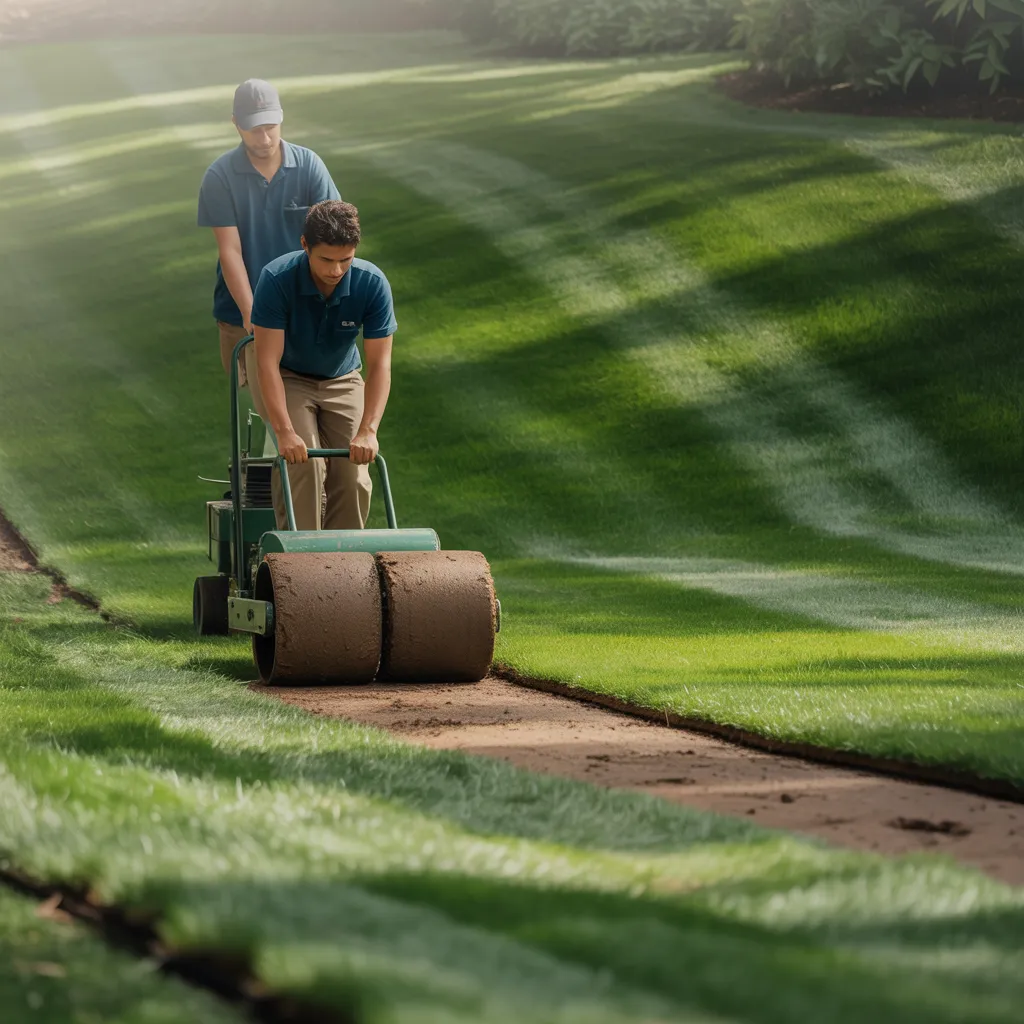
Comprehending Distinct Varieties of Sod for Your Landscape
When you're choosing sod for your lawn, it's essential to understand the various types available, as each variety offers particular advantages suited to certain climates and uses. For example, cool-season grasses like Kentucky bluegrass flourish in northern locations, providing lush, green lawns during cooler months. If you're in a warmer climate, warm-season grasses like Bermuda or Zoysia work best, growing well in the heat and establishing a strong lawn. Additionally, consider the wear tolerance of each type; some grasses handle foot traffic superior to others. You might want to think about maintenance levels—some sod varieties need more frequent mowing and watering than others. Being aware of these differences will help you identify the right sod for your unique lawn needs.
How to Determine Sun Exposure and Shade in Your Lawn?
How do you figure out how much sun and shade your lawn gets? Start by observing your lawn throughout the day. Go outside for a while and notice how sunlight changes position throughout your yard. Note which areas get direct sun exposure compared to those remaining in shade.
Another option is to use a simple tool including a sun calculator app to observe sunlight exposure across a week. Note the sunniest spots and areas that remain in shade, particularly during peak hours.
Additionally, evaluate nearby trees or structures that may cast shadows. This will help you understand which sod types will thrive based on your lawn's unique sunlight and shade conditions.
Evaluating Your Climatic and Soil Conditions
To select the right sod for your lawn, you should assess your climate and soil conditions. First, determining your climate zone, as distinct grasses thrive in different temperatures and rainfall patterns. For example, warm-season grasses thrive in hot, humid areas, while cool-season grasses do better in cooler temperatures. Next, examine your soil type—whether it's sandy, clay, or loamy. Complete a simple soil test to measure pH levels and nutrient content. This will enable you to understand what amendments your soil may require for best sod growth. Furthermore, consider drainage and sun exposure, as well-drained soil and proper sunlight are crucial for healthy grass. By understanding these aspects, you'll be well-positioned to pick the best sod for your lawn.
Selecting Sod for Various Lawn Uses
Choosing the right sod for diverse lawn uses relies on understanding how you intend to utilize your outdoor space. If you're establishing a play area for children or pets, seek out durable options like Bermuda or Zoysia, which can endure heavy foot traffic. For ornamental lawns, consider refined fescue or Kentucky bluegrass, delivering a lush, visually appealing landscape. If your focus is on low maintenance, choose drought-resistant varieties like Buffalo grass, which require less watering. For shaded areas, choose shade-tolerant species such as tall fescue or creeping red fescue. By adapting your sod choice to your lawn's purpose, you'll secure a thriving, functional outdoor space that satisfies your specific needs and improves your enjoyment.
Preparing Your Lawn for Professional Sod Installation
After selecting the right sod for your lawn's specific needs, it's time to get your lawn prepared for installation. Commence by removing any debris, rocks, or old grass from the site. You'll need a clean slate for ideal growth. Next, test your soil's pH and nutrient levels; this ensures you can amend it as needed. If the soil is compacted, aerate it to promote root penetration. Level the ground to stop water pooling, and add organic matter to increase drainage and fertility. Finally, lightly rake the surface to create a smooth bed for your sod. Correctly preparing your yard sets the stage for a lush, healthy lawn that prospers. Execute this properly, and your sod will flourish beautifully.
Recommendations for Sod Installation and Maintenance
Once your lawn area is ready, it's essential to concentrate on soil preparation, adequate watering techniques, and post-installation care. These practices will help your new sod thrive and establish a lush lawn. Let's explore how each of these aspects plays a crucial role in your sod's success.
Soil Preparation Essentials
Adequate soil preparation is necessary for a successful sod installation. Start by eliminating any rocks, weeds, or debris from the area. Then, use a rototiller to aerate the top 3 to 4 inches of soil, enabling your sod to create roots. You should test the soil pH and amend it as necessary to create an optimal environment for growth. Mix in organic matter like compost to better soil structure and drainage. Level the surface flat, ensuring proper grading to prevent water standing. As a final step, lightly tamp the soil to get rid of air pockets. This solid foundation will support healthy sod growth, setting you up for a thick, healthy lawn.
Proper Watering Techniques
While you could be excited to observe your new sod grow, proper watering techniques are essential for ensuring it builds strong roots. Immediately following installation, provide your sod with thorough watering to assist it in settling into the soil. Strive for about an inch of water daily throughout the first week, ensuring the soil stays moist without becoming saturated. Adjust your watering schedule based on weather conditions; if it rains, you may not have to water as frequently. Following the initial week, progressively cut back watering to every second day, then weekly. Always water early in the morning or late in the afternoon to minimize evaporation. Lastly, look out for stress symptoms, like browning, and change your watering methods accordingly to maintain your sod's health.
Care Tips After Installation
As you get comfortable with your grass care regimen, remember that post-installation care is essential for helping your sod thrive. Commence by confirming your new sod obtains plenty of water, especially within the first few weeks. Aim for about one inch of water per week, adjusting based on weather conditions. Resist mowing your sod until it has established strong roots, typically around two to three weeks after installation. Keep an eye out for pests and diseases, tackling any issues without delay. Feeding your sod about six weeks post-installation will promote healthy growth. As a final point, refrain from walk on your new lawn until it has fully settled; this will help prevent compaction and promote a lush, green yard.
Resolving Standard Sod Issues After Installation
After laying down sod, you might spot some concerns like patchy growth patterns or symptoms of pests and diseases. These problems may result from incorrect watering or additional elements that impact your lawn's condition. Let's explore how to identify and fix these common sod challenges.
Inconsistent Development Patterns
When you notice uneven growth patterns in your newly installed sod, it can be disappointing, but finding the cause is vital for restoring a lush lawn. Start by inspecting the soil moisture; inconsistent watering can lead to patchy growth. Check that each area receives adequate water, ideally 1-1.5 inches per week. Next, examine the sunlight exposure; shaded areas may struggle compared to those in full sun. If you notice your sod is installed on uneven terrain, consider leveling the soil to ensure uniform growth. Lastly, make certain you're using the right sod type for your climate and soil conditions. Once you've addressed these considerations, your lawn should start to even out and thrive.
Pests and Diseases
While a thriving lawn is the goal, pests and connected information diseases can quickly sabotage your efforts after sod installation. You should frequently inspect your new sod for evidence of trouble. Look for yellowing blades, wilting, or unusual spots, which may indicate pests like grubs or diseases such as brown patch. If you detect pests, consider using natural remedies like neem oil or insecticidal soap. For diseases, ensure proper air circulation and avoid overcrowding. It's crucial to act fast; early detection can preserve your lawn. Keep the area clean and free of debris, as this limits pest habitats. Remember, a little vigilance goes a long way in sustaining a healthy lawn that thrives year-round.
Watering Problems
Adequate watering is critical for the success of your recently installed sod, and achieving proper watering can be challenging. You'll should keep the sod consistently moist, especially during the first few weeks. Too much water can result in soggy roots and mold, while inadequate watering causes the sod to become desiccated and expire. Examine the moisture level daily; the top inch of soil should feel damp but not saturated. If you observe browning patches, it may signal underwatering. Conversely, if the soil feels muddy, decrease irrigation sessions. Aim for deep watering sessions, ideally in the early morning, to promote strong root formation. Remember, modifying your watering routine based on weather conditions is crucial for maintaining a healthy lawn.
Frequently Asked Questions
How Long Will Sod Generally Last After Being Installed?
Sod typically lasts about 10 to 15 years when properly maintained. You should regularly water, fertilize, and mow it to extend its lifespan and keep your lawn lush, green, and healthy.
Is Sod Installation Possible During Winter Months?
You can't install sod during winter months effectively. Cold weather conditions impede growth and root establishment. It's better to wait until spring or fall when conditions are ideal for sod to thrive and establish properly.
Which Tools Will I Need for Laying Sod?
You will need a shovel, rake, and a roller for evening out the soil. A sharp knife assists in cut the sod, while a garden hose or sprinkler guarantees proper watering. Don't forget gloves and knee pads for comfort!
Is Immediate Fertilization Required for New Sod?
Yes, it's necessary to fertilize new sod immediately. Taking this step helps establish strong roots and supports healthy growth. Just remember to use a starter fertilizer created specifically for new sod to secure the best results.
How Often Do I Need to Water My New Sod?
Make sure to water your fresh sod once per day throughout the first 14 days, keeping it consistently moist. After that, decrease watering frequency to once every two days, making adjustments based on rainfall and temperature to prevent overwatering.